

In 1956, Eero Saarinen revolutionized seating design with the Knoll Saarinen Tulip Chair — the perfect companion to his Pedestal Collection tables. With its flowing silhouette and singular base, the Tulip Chair embodied Saarinen’s mission to eliminate what he called “the slum of legs” beneath dining tables. Nearly seventy years later, it remains one of modern design’s most iconic and recognizable pieces, gracing homes, offices, and museums around the world.

Historical Footnote: Officially known as the Pedestal Side Chair, the Tulip Chair was created as part of Saarinen’s groundbreaking Pedestal Collection. He envisioned furniture that was “cleared up” — free of visual clutter and structural distraction. His innovative single-stem design achieved both aesthetic purity and practical advantages: easier floor cleaning, greater legroom, and a more harmonious visual field.
Saarinen’s pursuit of a single, seamless form began years earlier at the Cranbrook Academy of Art, where he explored organic structures and sculptural furniture concepts. Today, his original Pedestal Side Chair sketches and prototypes are part of the Cranbrook Art Museum’s permanent collection — a fitting home for a design that redefined modern seating.

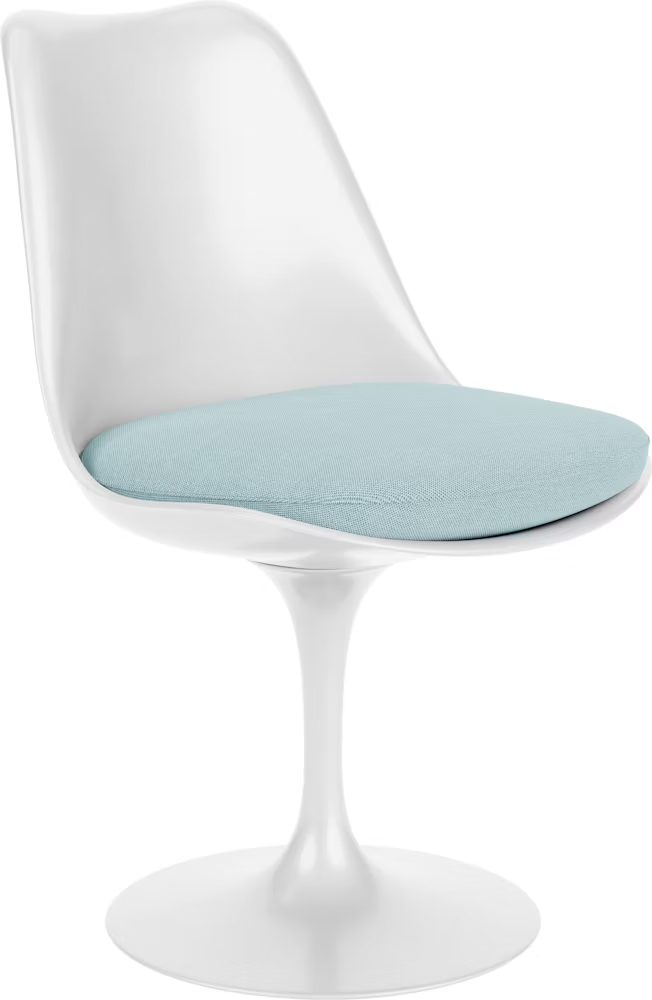
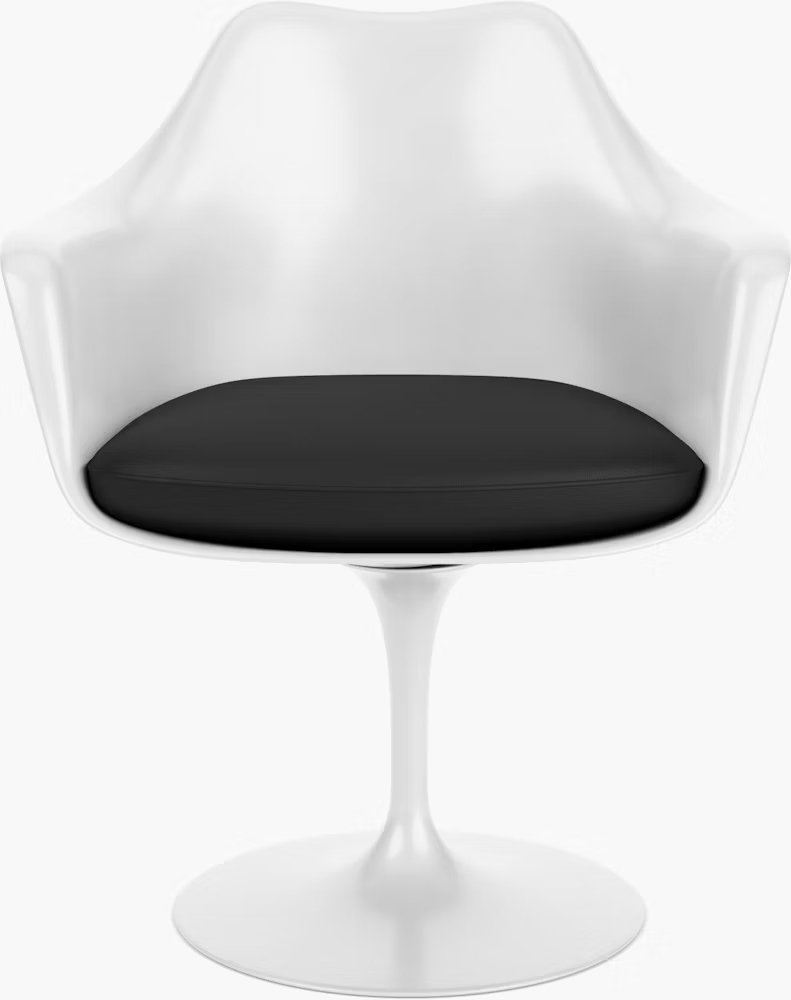
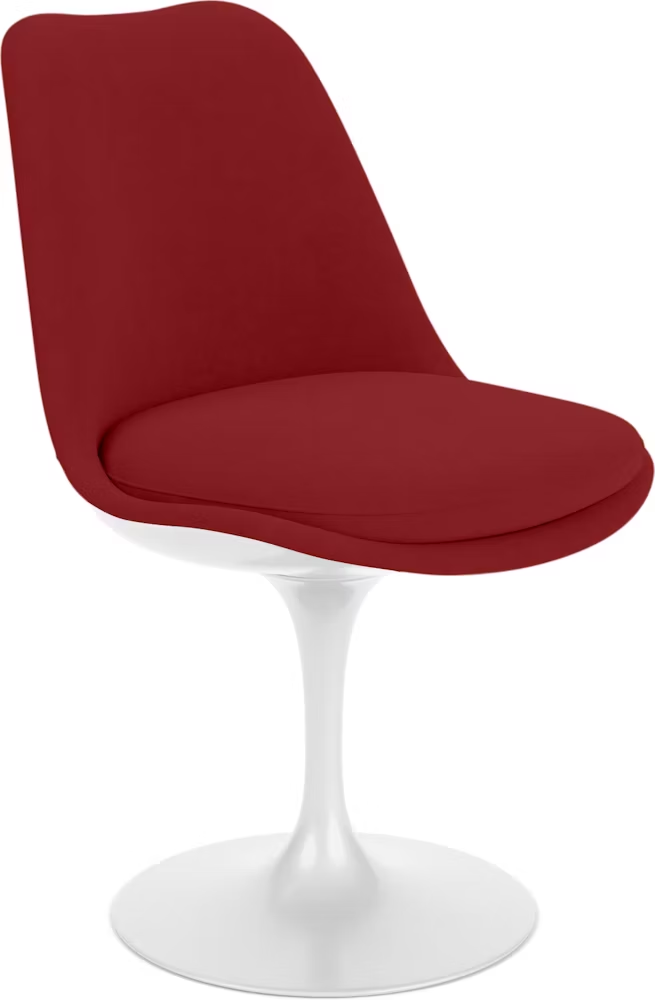
The Knoll Saarinen Tulip Chair stands as a sculptural triumph — an organic shell that seems to bloom effortlessly from its pedestal base. Its seamless form creates visual calm while offering ergonomic comfort through molded contours and tailored upholstery. Versatile by design, it complements settings from intimate dining spaces to expansive boardrooms, embodying the rare blend of simplicity, elegance, and utility that defines timeless modernism.
Today, Knoll continues to produce the Saarinen Tulip Chair to Saarinen’s original specifications — each piece crafted with the same sculptural integrity and attention to detail that defined the 1956 design.
The Knoll Saarinen Tulip Chair is available in three distinct versions, armchair, seat cushion, and fully upholstered all offering style and comfort.
Eero Saarinen

“The purpose of architecture is to shelter and enhance man’s life on earth and to fulfill his belief in the nobility of his existence,” said Eero Saarinen in 1959. Saarinen’s architectural legacy communicates this sentiment of giddy potential and unfettered optimism in post-war America seen in iconic projects like the Gateway Arch in St. Louis and in his sculptural furniture designed for Knoll.


Promotional content – If you purchase or book via one of our links, Luxe-Edit.com may earn a commission.